

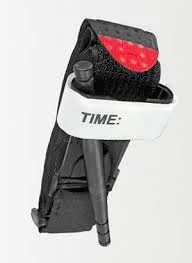
When things go wrong and we are faced with life-threatening extremity hemorrhage, we should always plan and hope to have a manufactured tourniquet. Realistically though, if Murphy has anything to do with it then that's never going to be the case. It is going to happen the one time that you are shamefully car-pooling into work in your buddies Prius and your IFAK is back home in your garage. It will be the one time that you don't bring your range bag to the range because "you are only going to shoot pistol". It always seems that it is when we are least prepared that life calls us to be our very best. But relax and take a deep breath, everything is going to be just fine. If we understand the objective and we adhere to some basic principles then we can control life-threatening hemorrhage by going MacGyver on the things we have all around us. You can go from day dreaming and unprepared to saving the day and getting the girl... if there is a girl... and she hasn't bled to death.
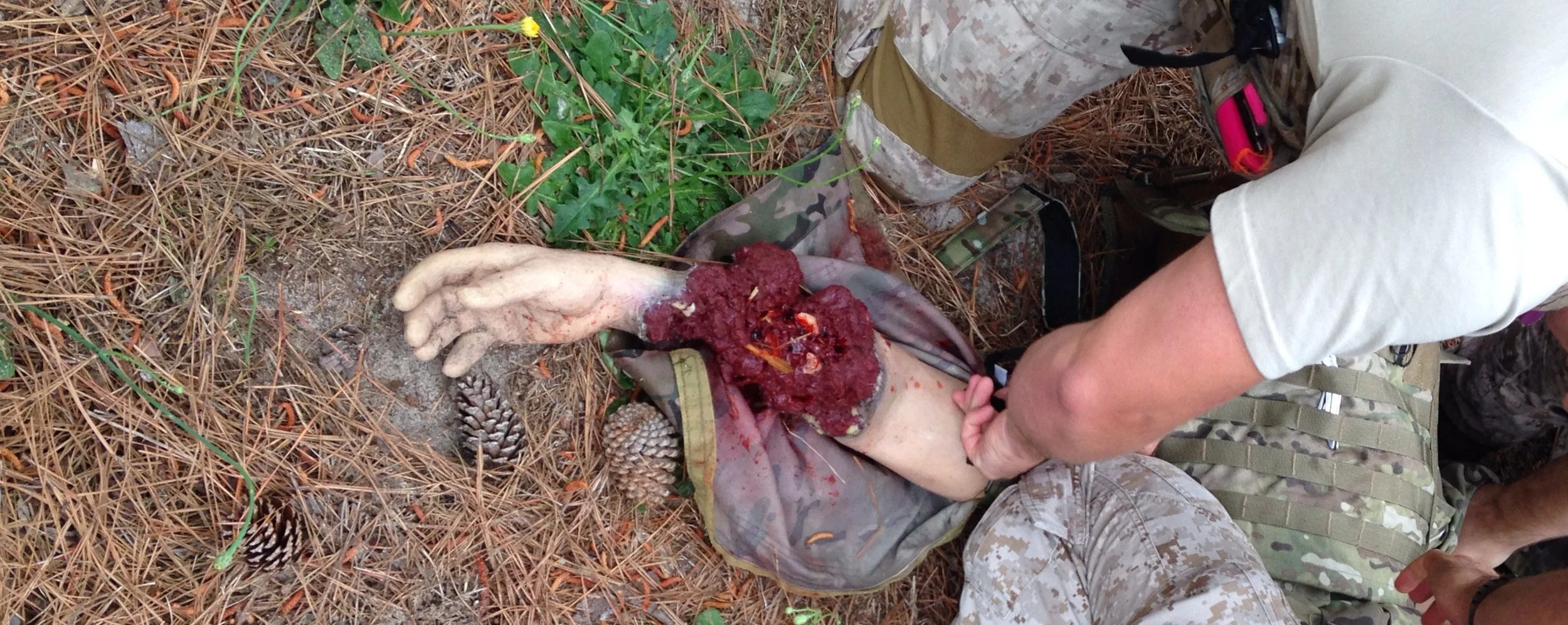
Let's start by identifying what we are talking about when we say "life-threatening hemorrhage". This is hemorrhage (or bleeding) that will not stop without outside intervention and if left untreated the wound could bleed until the patient can no longer get adequate amounts of oxygen to their cells (perfusion). This can be caused by many factors to include temperature, size and type of the wound, certain medications, alcohol consumed, or even environmental factors like being wet or in the water (like dive injuries). Regardless of the reason, this person needs you to do something to stop the blood from leaving their body. The first and easiest thing we can do for the patient is apply direct pressure over the wound site or indirect pressure on the appropriate pressure point. We all seem to understand this until we see the blood and our emotions get involved. If I were to spray you with a garden hose you would immediately grab for the hose-head and try to control it. But when it is blood for some reason we want to grab a big fluffy towel, (because that's what we see in the movies), which in actuality will only succeed in sponging the blood out of their body. Screw the towel, get your hands dirty (Side note: if you do not know this person or you are not willing to get what they have = WEAR GLOVES!).
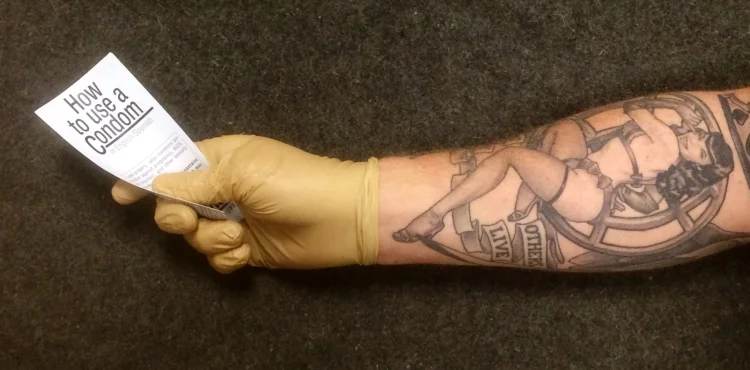
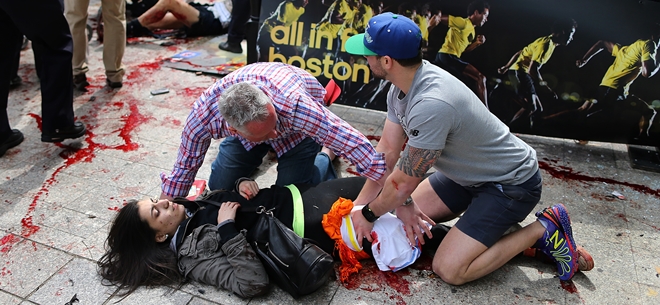
If you are able to control the bleeding with direct pressure and/or indirect pressure that's great and there is no reason to go grab a tourniquet. Sit there and hold what you've got until help arrives. However, the situation can be more complicated because you have multiple wounds to treat or there are persisting threats in the area. If you look at an incident like the Boston Marathon bombing you can see that there could be cases in which multiple people need your help at the same time. By quickly and effectively applying some improvised tourniquets you can move from one patient to the next doing the most good for the most amount of people. I know that this is a given for some of you, but while you are diving in there with your gloved hands, direct someone to call for help. Tell the hipster kid next to you snapping selfies to call 911.

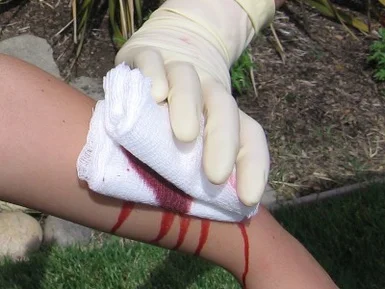
Step 1:
Direct pressure on top of the wound. On a major bleeder this is a ton of pressure! Either in the wound or outside the wound. (If you get your hands inside the wound you need to apply pressure toward the bone and toward the heart. We will elaborate on that in the future when we cover wound packing) Whether inside or out, be aggressive. We're talking white-knuckle, arms shaking, they hate you kind of pressure. Be aggressive. If that is not successful: step two.
Step 2:
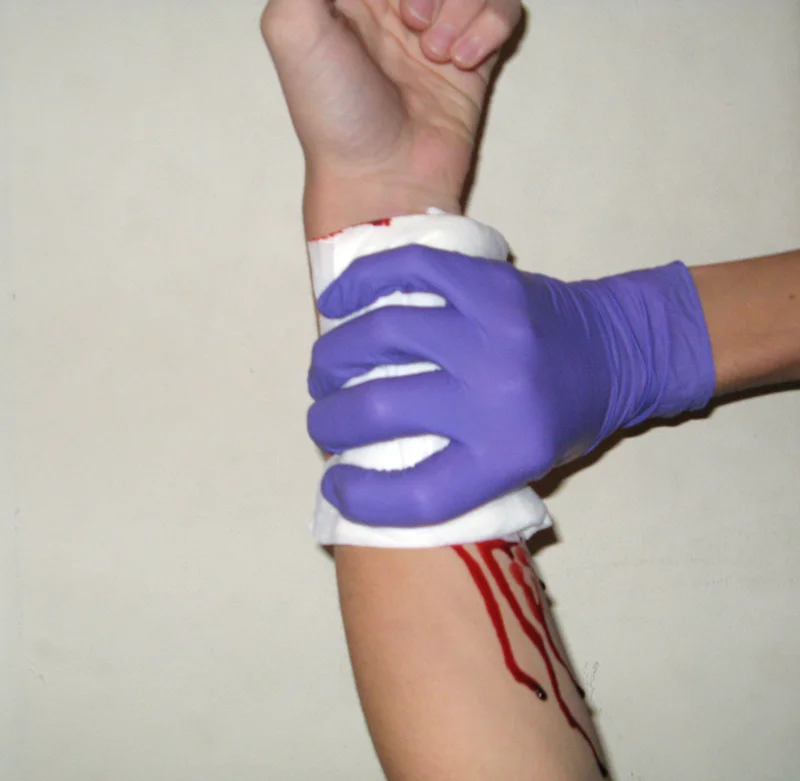
Pressure points. While maintaining direct pressure over the wound, attempt to put pressure further up the extremity closer toward the heart. The idea being that you can collapse the vessel by squeezing it from the outside. We do this in the places that the vessels are closer to the surface to make our job easier and more effective. Those places are the inside of the leg toward the groin and the inside of the arm toward the armpit. You'll know you are in the right place when they want to stab you in the face from the pain of you crushing the nerve that runs right next to the large vessels. If we still do not have the bleeding under control: step three.
*** It's worth mentioning that with lesser bleeds (lower volume/ smaller vessel/ less severe) you can use elevation of the wound above the heart to slow the flow. But know that with massive hemorrhage this is going to have minimal impact... unless of course your goal is to be cast as an extra in the show Vikings, in which case blood all over your face is perfect.
Step 3:
Tourniquet. If we still can't control the bleeding at this point, we are going to improvise a tourniquet. We want it to be 2"-3" wide and long enough that we can get it around their limb and tie it very tight with a secure knot. We want it to be on their extremity approx. 2"-4" above the wound site or if you are in a hurry, as in the case of multiple victims, then you can go all the way to the top of the extremity for fast placement. Then we need a "windless", or a rod,(i.e. a rigid object to create mechanical advantage approx. 6"-8" in length). After we have tightly tied the loop around the leg we slip the windless under the material and twist until the bleeding is stopped and the pulse is gone. Then if you can't sit there and hold it for any reason, you need to tie the windless in place so it doesn't unwind.
If you know because of the situation that you are going to be applying a tourniquet, DO NOT just skip to step 3. It is widely accepted that a healthy adult under normal conditions can bleed out from a lacerated femoral artery in as little as 1.5-3 minutes. So by the time that you go find a stick and come back to jump into step 3 the patient will have expired. Work through the steps quickly if you can but never forget to apply adequate pressure. The tourniquet is only replacing your hands so that your hands are free to do other things... like typing that girl's number into your phone.
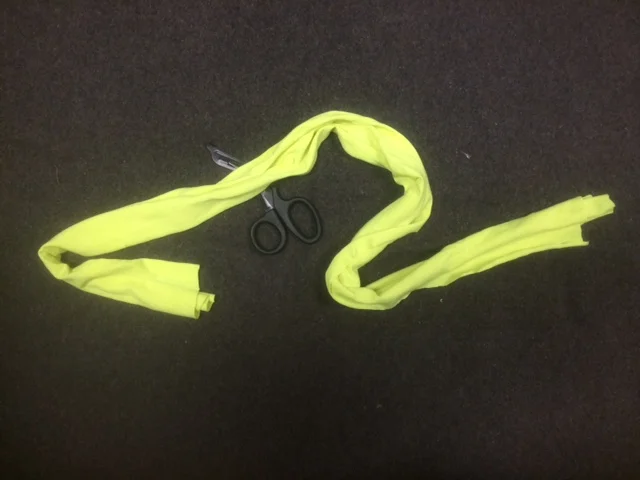
The bottom 5 inches of a regular cotton t-shirt and some scissors
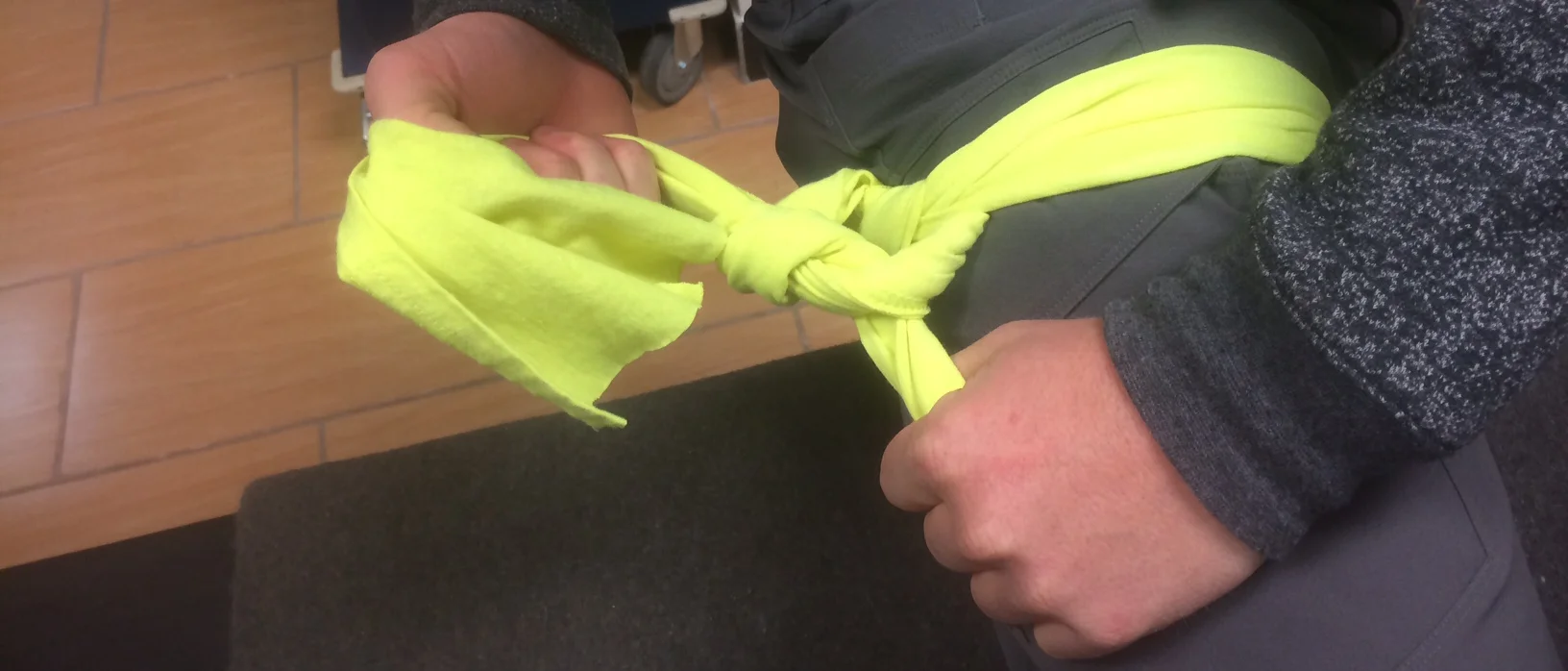
2"-3" of material tied tightly, 2"-4" above the wound and not on top of a joint.
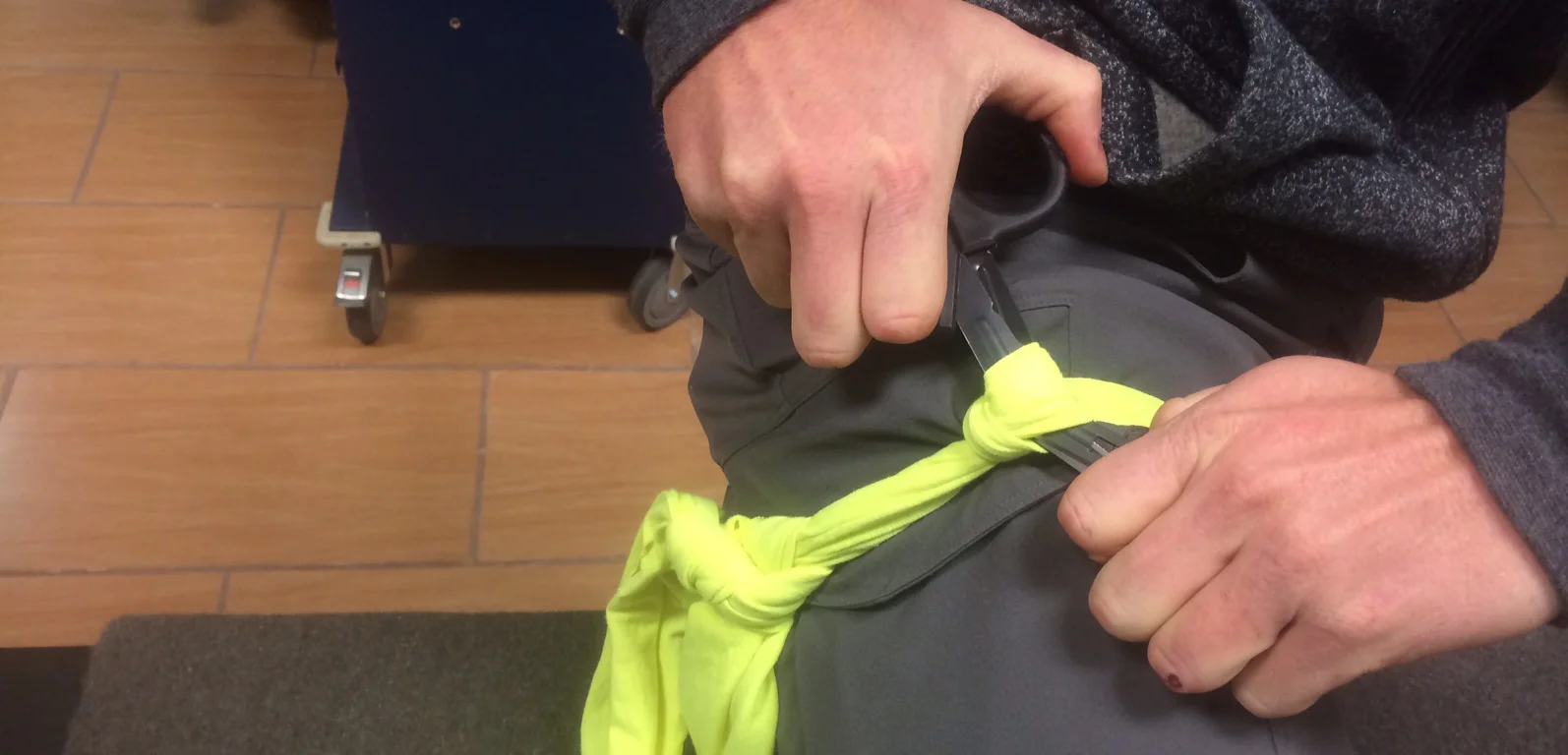
Use a rigid object approx. 6"-10" long, (who are you kidding, minds out of the gutter!) to twist the loop tighter until the bleeding stops.

Improvised Tourniquet - always re-assess for tigthness and hemorrhage control.


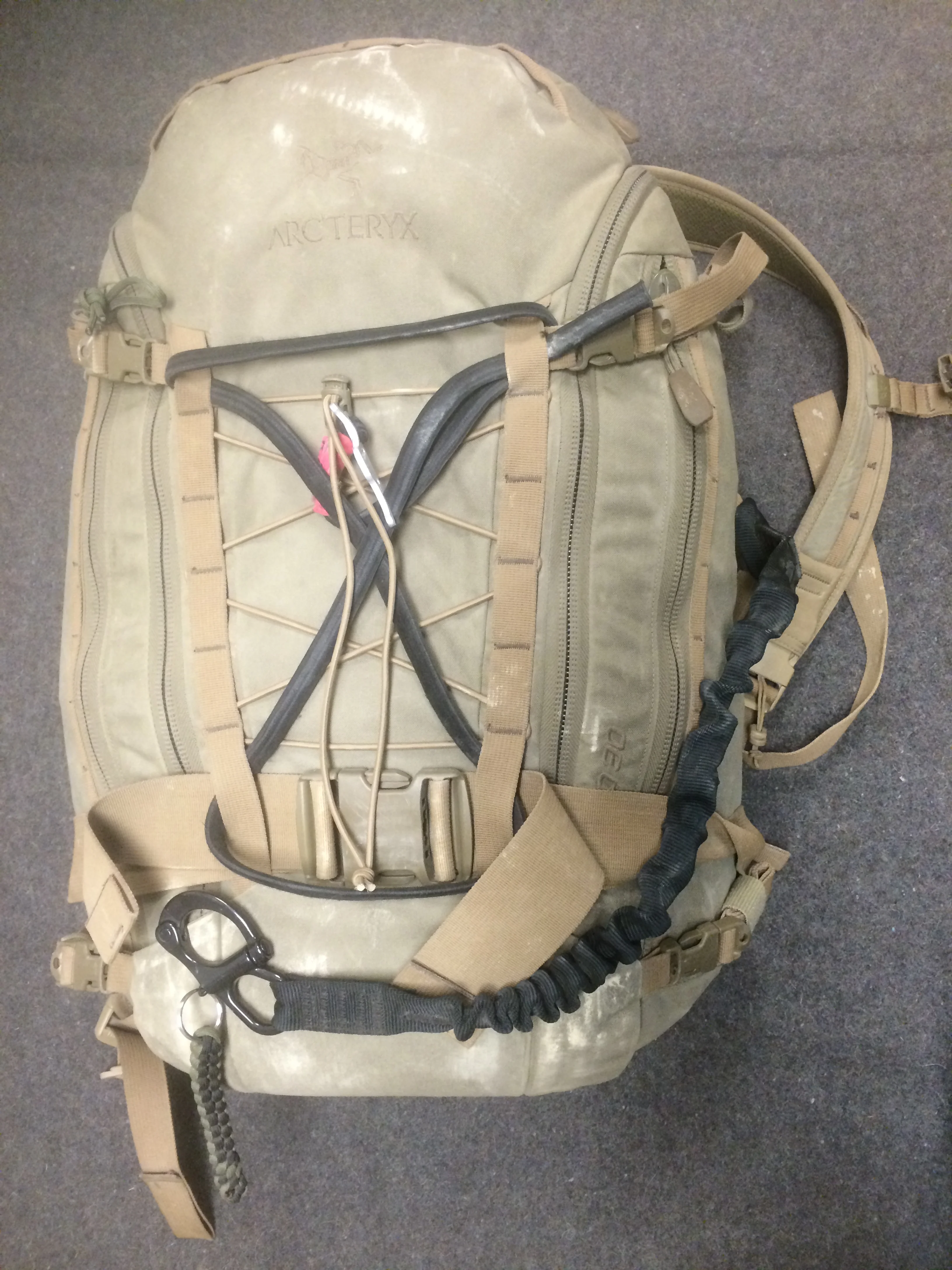
5 Essentials items for an IFAK, Bug out bag or first aid kit.